AC Maintenance & Tune-Up Katy, TX | Preventive HVAC Service | Katy 24 Hour AC Repair
Spring and fall AC tune-ups in Katy, TX, designed for Gulf Coast humidity. Reduce breakdown risk, extend system life, and lower energy bills. Call (346) 480-4090.
AC Maintenance and Tune-Up Service in Katy, TX
Katy homeowners run their AC systems roughly nine months out of the year, which means the maintenance schedule that works fine in a milder climate isn’t enough here. Katy 24 Hour AC Repair provides structured spring and fall tune-ups designed around the specific ways Gulf Coast humidity and heat wear down residential AC equipment, catching developing problems before they turn into a mid-August breakdown.
Why Katy AC Systems Need More Maintenance Than Most Climates
Two factors specific to this region drive the maintenance schedule we recommend. First, the extended run time of nine to ten months of near-daily operation puts far more cumulative hours on capacitors, contactors, and motors than the same equipment sees in most of the country. Second, the sheer volume of water your system pulls out of the air daily accelerates condensate line fouling and coil buildup in a way dry climates simply don’t experience. Twice-yearly maintenance visits cut breakdown risk by roughly 95% in this kind of climate, largely because most Katy AC failures trace back to a small number of predictable, catchable issues.
What’s Included in a Katy AC Tune-Up
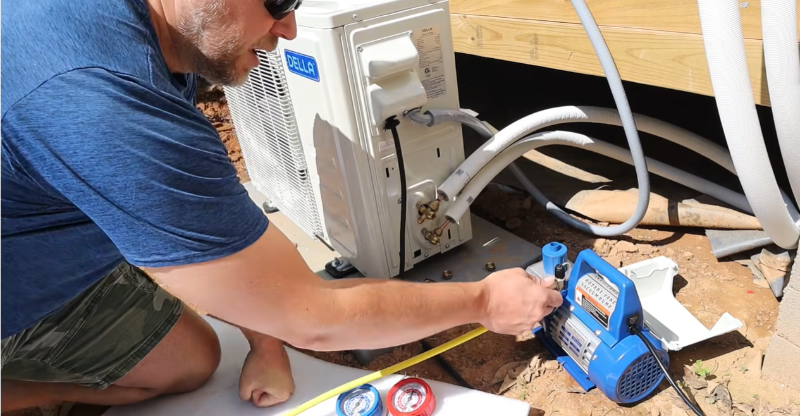
- Capacitor and electrical component testing catching a weakening capacitor before it fails on a 100-degree afternoon
- Refrigerant pressure check against the manufacturer’s specification
- Evaporator and condenser coil inspection and cleaning
- Condensate drain line flush the single most preventable cause of mid-summer shutdowns in this climate
- Air filter inspection and replacement recommendation
- Thermostat calibration and operation check
- Airflow measurement across the system
- Visual inspection of ductwork and electrical connections for wear
Spring Visit vs. Fall Visit — Different Priorities
A spring tune-up, ideally scheduled before the first sustained heat of the season, focuses on cooling-readiness: refrigerant charge, capacitor health, and condensate line condition before the system runs flat-out for months. A fall visit shifts focus toward furnace and heating-component safety checks, since Katy’s heating season is short but real, and toward documenting any wear the summer cooling season caused so it can be addressed before next year rather than discovered mid-crisis.
Maintenance by Neighborhood Age and Construction
Newer builder-grade systems in Elyson, Tamarron, and newer Fulshear phases benefit most from an early first tune-up often needed by year three, well before the manufacturer’s suggested maintenance interval, because of how quickly builder-grade coils foul in this humidity. Older systems in Cinco Ranch and Kelliwood, many now past the 15-year mark, benefit from a more thorough spring visit that includes refrigerant-line and capacitor testing specifically, since these are the most common failure points in aging equipment.
What You Can Check Between Visits
Filter maintenance is the one task homeowners can reliably handle themselves. Standard 1-inch filters should be checked monthly during peak season and replaced when visibly dirty. Homes with a whole-house media filter, a thicker, 5-inch filter mounted at the return, common in some Katy builds, typically only need replacement every 3 to 6 months, but always check the airflow direction arrow on the filter frame before reinstalling it, and switch off power at the furnace switch or thermostat before opening the filter door. Beyond filters, leave coil cleaning, refrigerant checks, and electrical testing to a licensed technician; these involve tools, chemicals, and voltage that aren’t safe or effective as DIY tasks.
Cost and Return on Investment
A standalone tune-up typically costs $89 to $150. A maintenance plan covering both spring and fall visits generally costs less annually than paying for two standalone visits and often includes priority scheduling during peak summer demand and a discount on any repairs found during the visit. Given that a single avoided emergency compressor or refrigerant failure can cost several times the annual plan price, maintenance plans are one of the more reliably cost-effective decisions a Katy homeowner can make.
Frequently Asked Questions
Signs Your System Needs Attention Before Your Next Scheduled Visit
- Noticeably higher energy bills without a change in usage habits
- Longer run times to reach the set temperature than in previous seasons
- A musty smell when the system starts, often pointing to condensate or coil issues
- Any new noise clicking, rattling, or a hum that wasn’t there before
- Uneven cooling between rooms that wasn’t previously a problem
Any of these between scheduled visits is worth a call rather than waiting for the next planned tune-up catching a developing issue early is usually the difference between a minor repair and an emergency call in July.
What a Tune-Up Report Should Tell You
A tune-up that doesn’t leave you with documented findings isn’t giving you the full value of the visit. After every maintenance appointment, you should receive specific readings refrigerant pressure compared to specification, capacitor microfarad test results compared to rated value, and measured temperature drop across the coil not just a checkmark saying “system inspected.” Specific numbers are what let you and your technician track a slowly weakening component across visits and catch it before it fails outright, rather than starting from zero every time.
Multi-System and Larger Homes
Many larger Katy homes, particularly newer two-story construction in Cross Creek Ranch and Fulshear, run two separate AC systems typically one per floor. These systems often carry different loads (a west-facing upstairs system generally works harder than a shaded downstairs system) and can wear unevenly as a result. Maintenance visits for multi-system homes should evaluate each unit independently rather than assuming both are in the same condition, since it’s common for one system to need attention well before the other.