
AC Installation Katy, TX | New System Installation | Katy 24 Hour AC Repair
Professional AC installation in Katy, TX with proper Manual J load calculation, licensed technicians, and every major brand. Call (346) 480-4090 for a free installation estimate.
AC Installation in Katy, TX
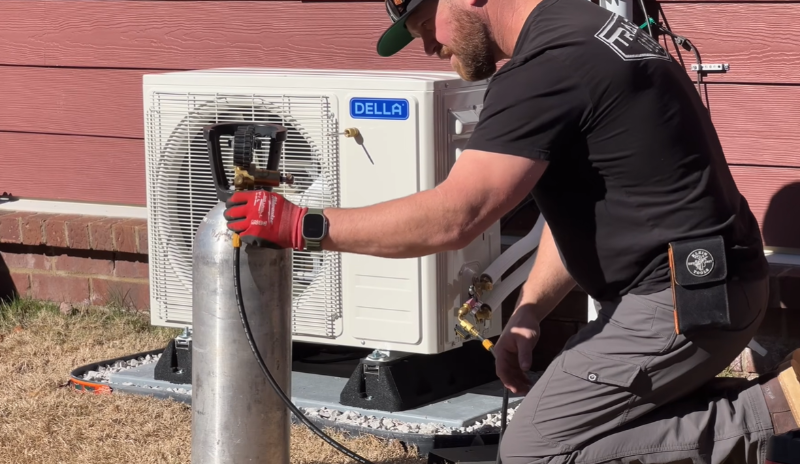
A new AC system is only as good as its installation. In Katy specifically, we see a consistent and avoidable pattern: systems that are correctly rated on paper but perform poorly in the home because they were sized off square footage alone rather than an actual load calculation, or installed with ductwork that wasn’t adjusted to match the new equipment. Katy 24 Hour AC Repair installs residential AC systems across Katy with a proper sizing process, transparent pricing, and permitting handled the first time correctly.
Signs You Need a New System Rather Than a Repair
- The system is 12-15+ years old, and the current repair estimate is a significant fraction of the replacement cost
- You’ve had more than two major repairs in the past two years
- Energy bills have climbed steadily, even with regular maintenance
- The system uses R-22 refrigerant, which has been phased out and is increasingly expensive and hard to source
- Rooms cool unevenly, no matter how the vents are adjusted, often a sign the original system was never sized correctly for the home
Proper Sizing: Why Manual J Load Calculation Matters
One of the most common installation shortcuts in fast-growing markets like Katy is sizing a new system off square footage or simply matching the old unit’s tonnage. Neither accounts for your home’s actual cooling load, window orientation, insulation level, ceiling height, duct condition, and local climate data, all of which factor into a proper Manual J load calculation. An oversized system short-cycles, meaning it cools the air quickly but shuts off before properly removing humidity, leaving the home feeling cold but clammy. An undersized system runs constantly and never quite catches up on the hottest days. We calculate load before quoting equipment, not after.
New Construction and Builder-Grade Equipment in Katy
Homes in newer Katy developments, Elyson, Tamarron, and newer sections of Fulshear are typically built with builder-grade AC equipment chosen to meet a construction budget rather than optimized for long-term performance in this climate. It’s common for evaporator coils in these systems to start fouling within the first three years due to humidity exposure. When we install or replace equipment in these areas, we spec coil protection and filtration upgrades specifically to address this known failure pattern rather than installing a like-for-like replacement that will foul the same way.
System Types Available
- Single-stage systems the most affordable option, running at full capacity whenever they’re on
- Two-stage systems provide better humidity control by running at a lower capacity most of the time
- Variable-speed (inverter) systems are the most efficient option, adjusting output continuously and providing the best humidity control for Katy’s climate
- Ductless mini-split systems for additions, garage conversions, or homes without existing ductwork
- Heat pumps provide both cooling and heating from one system, relevant given Katy’s mild but real winter heating need
Permits and Code Compliance
AC installation in the Katy area may fall under Harris County, Fort Bend County, or Waller County jurisdiction depending on your specific address, and each has its own permitting process. Improperly permitted installations can create problems at resale and may not be covered by the manufacturer’s warranty if code violations are found. We pull the correct permits for your specific location as part of the installation process; this isn’t an optional add-on.
What Installation Costs and What Affects the Price
Installation cost depends primarily on system tonnage, efficiency tier (SEER2 rating), whether ductwork modifications are needed, and system type. A straightforward like-for-like replacement on existing, sound ductwork sits at the lower end of the cost range; a full system upgrade with ductwork changes or a switch to variable-speed equipment sits higher. We provide a written estimate that separates equipment cost, labor, and any ductwork or electrical work needed, so you can see exactly what you’re paying for. Financing options are available through multiple lenders for larger installations.
Frequently Asked Questions
The Installation Process, Step by Step
- In-home load calculation and evaluation of existing ductwork and electrical capacity
- Written estimate itemizing equipment, labor, permitting, and any additional work needed
- Permit application filed with the correct county jurisdiction before work begins
- Removal and EPA-compliant disposal of the old system
- Installation of new equipment, including refrigerant line set, electrical connections, and condensate drainage
- System startup, refrigerant charge verification, and airflow testing across every room
- Final walkthrough explaining the new thermostat, warranty registration, and recommended maintenance schedule
Should Ductwork Be Replaced Along With the System?
Installation is the natural point to evaluate whether existing ductwork should be replaced rather than reused. Ducts installed alongside an old, undersized, or oversized system were sized for that equipment’s airflow requirements. Reusing them with new equipment that has different airflow characteristics, particularly when upgrading to a variable-speed system, can undercut the efficiency gains you’re paying for. We inspect existing duct condition and sizing as part of every installation estimate and tell you plainly whether reuse is appropriate or whether duct modification would meaningfully improve the outcome, rather than defaulting to either option automatically.
Choosing a Licensed Installer in Texas
AC installation in Texas requires a licensed contractor under the Texas Department of Licensing and Regulation, and pulling the required permit is part of that licensing obligation, not an optional step a contractor can skip to save time. An installation done without the correct permit can create real problems later at resale, with insurance claims, or with manufacturer warranty validity if an inspection ever traces back to unpermitted work. Before hiring any installer, it’s reasonable to ask for their TACL license number directly and confirm it independently through the state licensing lookup.