AC Leaking Water in Katy, TX | Condensate Drain Issues | Katy 24 Hour AC Repair
Water leaking from your AC or dripping through the ceiling in Katy, TX? Here’s what’s causing it and how to stop water damage. Call (346) 480-4090.
AC Leaking Water in Katy, TX
Water around your indoor AC unit, dripping from a ceiling, or pooling near a closet air handler almost always traces back to the condensate system, the drainage path responsible for removing the substantial amount of moisture your AC pulls out of the air every day. In Katy’s humidity, this is one of the most common AC-related service calls we run, and catching it early is the difference between a simple drain-line service and a genuine water-damage repair.
Why AC Units Produce So Much Water in Katy
As part of normal operation, your AC condenses moisture out of humid indoor air onto the evaporator coil, and that water is supposed to drain away continuously through the condensate line to the outside or to a floor drain. In Houston-area humidity, a system can remove several gallons of water per day during peak summer conditions, which means even a partially clogged drain line backs up far faster here than it would in a drier climate.
Common Causes of AC Water Leaks
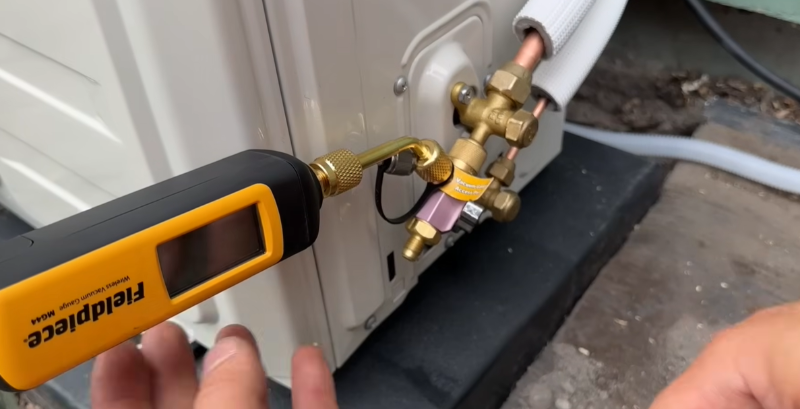
- Clogged condensate drain line: algae and biological buildup accumulate inside the line over time, especially common with heavy nearby landscaping, eventually blocking the water’s path out
- A cracked or rusted drain pan underneath the indoor coil, allowing water to bypass the drain system entirely
- A disconnected or improperly sloped drain line, often from age or a prior repair that wasn’t sealed correctly
- A frozen coil thawing — once a frozen evaporator coil melts, it can produce a sudden volume of water beyond what the drain system handles smoothly if it’s already partially restricted
- A failed or missing condensate pump on systems where gravity drainage isn’t possible, such as some attic installations
The Safety Float Switch — What It’s Actually Protecting
Most systems include a safety float switch on the drain pan or line, designed specifically to shut the entire AC system down if water rises to a level indicating a clog. If your system suddenly stops cooling with no obvious mechanical cause, a tripped float switch from a condensate clog is a common, and actually protective, explanation for the system shutting off, preventing a ceiling leak, not malfunctioning randomly.
What to Do If You See Water Now
Turn the system off at the thermostat to stop additional water production while the drain is blocked, and place towels or a container under any active drip to limit damage. Do not attempt to clear the drain line yourself with anything beyond a wet-vac at an accessible cleanout, since improper attempts can push the clog further into the line rather than clearing it. If water has reached drywall or flooring, document it with photos for insurance purposes before cleanup begins.
Preventing Repeat Clogs
A drain line flush during routine maintenance is the most effective prevention, and it’s specifically why we recommend it as a standard part of every seasonal tune-up in this climate rather than an optional add-on. Homes in Firethorne, where heavier landscaping accelerates algae growth in the line, tend to need this service more frequently than homes with less vegetation directly around the unit.
Repair Cost for This Issue
A standard condensate drain line flush and clear typically runs $100 to $250 and is often resolved on the same visit. A drain pan replacement runs higher, generally $200 to $500 depending on accessibility. A condensate pump replacement, relevant on systems where gravity drainage isn’t possible, typically runs $200 to $400. These are all considerably less expensive than the water damage repair that can result from an ignored, ongoing leak, which is the real financial argument for addressing this quickly rather than waiting.
How Fast Water Damage and Mold Risk Develop
In Katy’s humidity, moisture trapped in drywall, insulation, or flooring can begin supporting mold growth within roughly 24 to 48 hours of sustained wet conditions, faster than in drier climates where the same materials might dry out on their own before mold takes hold. This is part of why we treat active condensate leaks as a same-day priority rather than a routine scheduling item, even when the AC itself is still otherwise cooling normally.
Frequently Asked Questions
Attic-Installed Systems Carry Extra Risk
Katy homes with the air handler located in the attic, common across most of the area’s housing stock, face a higher consequence from condensate leaks than homes with a closet- or garage-installed unit, since attic leaks travel through insulation and ceiling drywall before becoming visible, often after damage has already spread further than a leak in a more visible location would. A secondary drain pan with its own float switch, required by code in many attic installations, is worth confirming is present and functional specifically because of this elevated risk.